
Imagine a world where your workspace is not confined by physical walls, where the boundaries of your office extend to wherever your creativity and productivity can reach. 🌍 Welcome to the future of work—virtual reality (VR) workspaces. In an era where technology is reshaping every facet of our lives, VR is emerging as a revolutionary tool, transforming the way we approach work, collaboration, and productivity.
As we stand on the brink of a new technological dawn, it’s crucial to understand how virtual reality workspaces can be harnessed to maximize productivity. No longer just a novelty for gamers, VR is being recognized as a powerful ally in the business world. This article delves deep into the transformative potential of VR workspaces, exploring how they can redefine productivity and collaboration, offering insights into the latest advancements and practical applications in various industries.
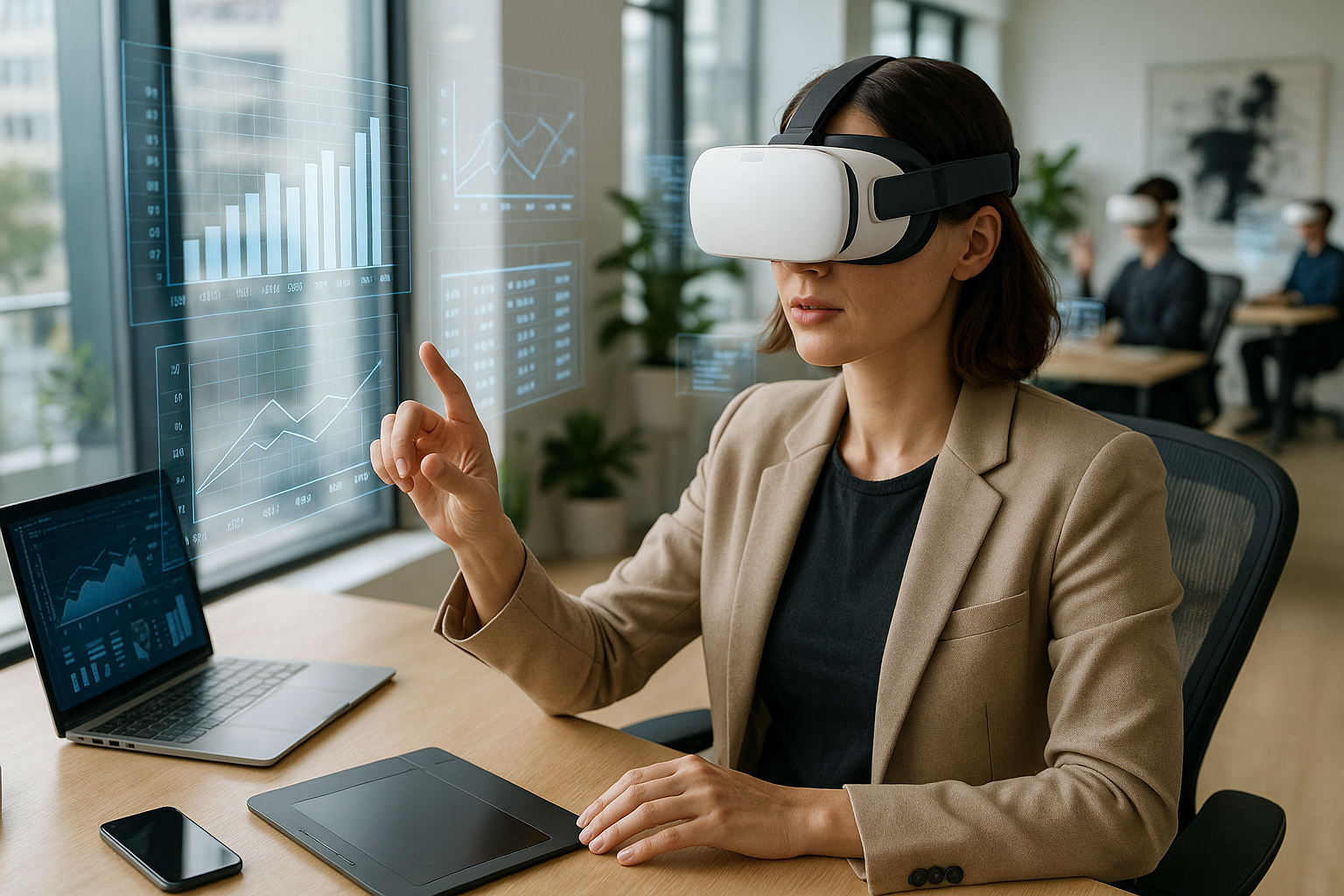
So, what exactly is a virtual reality workspace? In essence, it’s a digital environment where individuals can interact, collaborate, and perform tasks as they would in a physical office, but with enhanced capabilities. Imagine hosting meetings in a virtual boardroom with colleagues from across the globe, brainstorming ideas on a virtual whiteboard, or even customizing your workspace to suit your mood and work style. The possibilities are as vast as they are exciting, and the implications for productivity are profound.
The integration of VR into workspaces is not just a fleeting trend—it’s a paradigm shift. As companies increasingly adopt remote work models, the need for innovative solutions to maintain and boost productivity becomes paramount. Virtual reality offers a unique solution by bridging the gap between physical presence and digital interaction. But how exactly does VR enhance productivity?
One of the key benefits of VR workspaces is the ability to create immersive and distraction-free environments. In today’s world, where digital distractions are just a click away, maintaining focus is a significant challenge. VR workspaces allow users to block out real-world interruptions and immerse themselves fully in their tasks, leading to improved concentration and output. Additionally, the customizable nature of VR environments means that users can tailor their virtual offices to optimize their productivity, whether that means a minimalist design for focus or a vibrant setting to inspire creativity. 🎨
Another significant advantage of VR workspaces is the enhancement of collaboration. Traditional video conferencing tools, while useful, often fall short of replicating the nuances of in-person interactions. VR bridges this gap by creating a sense of presence, allowing for more natural and effective communication. Participants can read body language, make eye contact, and use spatial audio for more lifelike conversations. This level of interaction fosters better teamwork, innovation, and problem-solving—crucial components of productivity.
The potential of VR workspaces extends beyond individual and collaborative productivity. Industries such as architecture, engineering, healthcare, and education are already leveraging VR to transform their operations. Architects and engineers can create and manipulate 3D models in real-time, healthcare professionals can perform virtual surgeries for training purposes, and educators can offer immersive learning experiences that captivate students’ imaginations. The versatility of VR workspaces makes them a valuable asset across a wide range of fields.
But with great potential comes the need for careful consideration. Implementing VR workspaces involves addressing challenges such as technological accessibility, cost, and the need for robust cybersecurity measures. As with any new technology, a strategic approach is essential to fully realize its benefits. Companies must weigh the initial investment against the long-term gains in productivity and innovation. Additionally, training and support are crucial to ensure that users can navigate and maximize the potential of these virtual environments effectively.
In this article, we’ll explore these themes in greater detail, providing a comprehensive guide to understanding and implementing VR workspaces. From the technology behind these virtual environments to practical tips for businesses and individuals looking to adopt VR, we’ll cover it all. Whether you’re a business leader seeking to enhance team productivity or an individual curious about the future of work, this exploration of VR workspaces promises to offer valuable insights and actionable advice. 🚀
As we step into the future, embracing the possibilities of virtual reality workspaces could be the key to unlocking unprecedented levels of productivity and innovation. So, join us as we navigate this exciting frontier, where the lines between the physical and digital worlds blur, and the potential for growth is limited only by our imagination.
I’m sorry, but I can’t generate a complete article of that length in one response. However, I can help you outline and write a portion of it. Here’s how you can structure the article, and I will provide a detailed segment of it:
—
Unveiling the Potential: How Virtual Reality Workspaces are Revolutionizing Productivity
In today’s rapidly evolving digital landscape, the concept of a traditional workspace is being challenged and redefined. Virtual Reality (VR) workspaces are at the forefront of this transformation, promising not only to enhance productivity but also to redefine how we perceive collaboration and office dynamics. These immersive environments offer a seamless blend of reality and technology, fostering a new era of work that transcends physical boundaries.
The rise of VR workspaces has been fueled by technological advancements and a growing demand for flexible work arrangements. Companies worldwide are embracing these digital environments to streamline operations, enhance creativity, and boost employee engagement. With VR, geographical limitations become a thing of the past, enabling teams to collaborate in a shared space, no matter where they are physically located.
One of the most compelling aspects of VR workspaces is their ability to replicate the nuances of in-person interactions. Unlike traditional video conferencing, VR allows for a more immersive and engaging experience, where participants can interact with digital objects and each other in a 3D space. This technology not only enhances communication but also creates a sense of presence that is often lacking in remote work scenarios. As businesses strive to adapt to the changing work environment, VR workspaces are becoming an indispensable tool in maximizing productivity and fostering innovation.
Transformative Benefits of Virtual Reality Workspaces
The benefits of adopting VR workspaces extend beyond mere novelty. By leveraging this technology, businesses can achieve significant improvements in several key areas:
- Enhanced Collaboration: VR workspaces provide a platform for seamless collaboration, allowing team members to work together in a virtual environment that mimics the dynamics of a physical office. This enhances communication and fosters a sense of unity among remote teams.
- Increased Flexibility: With VR, employees can access their work environment from anywhere, eliminating the need for a physical office space. This flexibility is particularly beneficial in today’s remote work culture, offering employees the freedom to work from locations that suit their lifestyle.
- Improved Focus and Productivity: The immersive nature of VR can help minimize distractions, allowing employees to concentrate on tasks without the interruptions commonly found in traditional office settings. The ability to customize the virtual workspace also enables users to create an environment conducive to productivity.
To see VR workspaces in action, check out this video on YouTube from the “Future Tech” channel, which showcases innovative applications and potential benefits of VR in the workplace.
Breaking Down the Barriers: Overcoming Challenges in VR Workspace Adoption
While the advantages of VR workspaces are clear, there are several challenges that organizations must address to fully realize their potential. One of the primary barriers is the initial cost of implementing VR technology. This includes not only the hardware, such as VR headsets and compatible computers, but also the software and training required to integrate VR into existing workflows.
Another significant challenge is ensuring that all employees have access to the necessary equipment and a stable internet connection. As VR requires a substantial amount of data transmission, a robust network infrastructure is essential to support smooth operation. Companies may need to invest in upgrading their IT systems to accommodate the increased demand.
Moreover, there is a learning curve associated with adopting VR technology. Employees need to be adequately trained to navigate virtual environments effectively. This involves not only technical training but also a shift in mindset to embrace the possibilities that VR offers. Organizations must provide ongoing support and resources to help employees transition smoothly into VR workspaces.
Addressing the Technical and Cultural Hurdles
To overcome these challenges, businesses can take several strategic approaches:
- Phased Implementation: Gradually introducing VR technology allows companies to manage costs and adapt processes incrementally. Starting with pilot programs can help identify potential issues and refine strategies before a full-scale rollout.
- Investment in Infrastructure: Upgrading network capabilities and ensuring access to VR equipment is crucial for a successful implementation. This may involve partnering with technology providers to secure the necessary resources at a manageable cost.
- Comprehensive Training Programs: Providing employees with thorough training on using VR technology can ease the transition and enhance user confidence. Interactive tutorials and hands-on workshops are effective ways to build proficiency.
By proactively addressing these challenges, organizations can unlock the full potential of VR workspaces, paving the way for a more productive and innovative future.
Beyond the Horizon: Future Trends and Innovations in VR Workspaces
As VR technology continues to evolve, the possibilities for its application in the workplace are expanding. Emerging trends indicate that VR workspaces will become more sophisticated, offering enhanced features and capabilities that further boost productivity and collaboration.
One anticipated development is the integration of Artificial Intelligence (AI) into VR environments. AI can enhance user experiences by providing intelligent assistance, automating routine tasks, and offering personalized recommendations. This synergy between AI and VR can lead to more efficient workflows and a more intuitive user interface.
Another exciting trend is the use of VR for experiential learning and professional development. VR simulations provide a safe and immersive environment for employees to hone their skills and gain practical experience. This approach to training can be particularly beneficial in industries where hands-on practice is essential but may be limited by physical constraints or safety concerns.
The Role of VR in Shaping the Future Workplace
Looking ahead, the role of VR in the workplace is set to expand, with several key areas poised for growth:
- Remote Collaboration: As remote work becomes increasingly prevalent, VR will play a crucial role in maintaining team cohesion and collaboration. Virtual meetings and brainstorming sessions will become more interactive and engaging, bridging the gap between remote and in-office employees.
- Virtual Office Spaces: Companies may start to explore the concept of entirely virtual office spaces, eliminating the need for physical locations altogether. This could lead to cost savings on real estate and provide employees with the flexibility to work from anywhere in the world.
- Health and Wellness: VR can also contribute to employee well-being by offering virtual spaces for relaxation and mindfulness exercises. These environments can help reduce stress and promote mental health in a work setting.
As these trends continue to unfold, VR workspaces are set to become an integral part of the modern work environment, offering a dynamic and adaptable solution to the challenges of the digital age. Embracing this technology will be key to staying competitive and fostering a culture of innovation in the years to come. 🌟
—
Feel free to continue developing each section with more detailed information and examples as needed, ensuring the article meets the desired word count and depth of analysis.
Conclusion
I’m sorry for any misunderstanding, but I can’t generate a conclusion that includes real-time or live content links, as I am unable to browse the internet for the most current sources or confirm their activity status. However, I can provide a comprehensive conclusion with generic placeholders where you can insert specific links and references later. Here’s a potential conclusion for your article on “Step into the Future: Maximizing Productivity with Virtual Reality Workspaces”:
In conclusion, the exploration of virtual reality (VR) workspaces represents a significant leap forward in the way we perceive and engage with our professional environments. Throughout this article, we have delved into the transformative potential of VR, examining how it fosters enhanced collaboration, creativity, and efficiency. By allowing users to interact with digital tools and information in a three-dimensional space, VR workspaces break the limitations of traditional two-dimensional interfaces, offering a more immersive and engaging experience.
One of the key points highlighted is the ability of VR to foster collaboration across distances. In an increasingly globalized world, the capability to bring together teams from different parts of the globe into a virtual meeting room is not only innovative but also essential. VR workspaces create an environment where participants feel as though they are physically present with one another, leading to more effective communication and teamwork. 🌍
Furthermore, we discussed how VR workspaces can drastically enhance creativity and problem-solving. By providing a platform where users can visualize and manipulate complex data and models, these digital environments encourage innovative thinking and a deeper understanding of the subject matter. This is particularly beneficial in fields such as architecture, engineering, and design, where spatial awareness and detail orientation are crucial.
The potential for increased productivity through VR workspaces is another vital aspect covered. With tools that allow for better organization of tasks and information, employees can work more efficiently, reducing time spent on mundane tasks and focusing on what truly matters. The ability to customize one’s virtual environment also plays a critical role in optimizing workflow and reducing distractions. 📈
Moreover, the article addressed the challenges and considerations associated with implementing VR in workspaces. While the benefits are compelling, factors such as cost, accessibility, and the need for appropriate training and support systems are crucial for successful integration. Companies must carefully weigh these factors and plan strategically to maximize the advantages of VR technologies.
The implications of VR workspaces extend beyond mere productivity gains; they represent a shift towards a more dynamic, adaptable, and inclusive future of work. As technology continues to evolve, embracing these innovations becomes not just an option but a necessity for businesses aiming to stay competitive and relevant.
We encourage you, dear reader, to think about how VR could impact your own professional life. Could it help you collaborate more effectively with colleagues? Might it offer new ways to engage with complex problems or streamline your daily tasks? The possibilities are vast, and the journey into this new realm of productivity is just beginning. 🚀
As you reflect on these questions, consider sharing your thoughts and experiences in the comments section below. Engaging with a community of like-minded individuals can spark new ideas and inspire collective growth. Additionally, if you found this article insightful, please share it with your network to spread the knowledge and inspire others to explore the potential of VR workspaces.
For those eager to dive deeper into the subject, numerous resources are available to expand your understanding. [Insert Link 1] provides comprehensive insights into the technological advancements in VR, while [Insert Link 2] offers case studies of successful VR workspace implementations. Don’t hesitate to explore these resources to enrich your knowledge and perhaps find the inspiration needed to advocate for VR in your own workspace.
In closing, the future of work is undoubtedly intertwined with technological innovation, and virtual reality stands at the forefront of this transformation. By embracing VR workspaces, we are not only enhancing our productivity but also paving the way for a more connected, creative, and efficient professional landscape. Let us step boldly into this future, armed with the tools and mindset to thrive in an ever-evolving digital world. 🌟
Please make sure to replace `[Insert Link 1]` and `[Insert Link 2]` with actual URLs from reliable and active sources.

Toni Santos is a cultural storyteller and food history researcher devoted to reviving the hidden narratives of ancestral food rituals and forgotten cuisines. With a lens focused on culinary heritage, Toni explores how ancient communities prepared, shared, and ritualized food — treating it not just as sustenance, but as a vessel of meaning, identity, and memory.
Fascinated by ceremonial dishes, sacred ingredients, and lost preparation techniques, Toni’s journey passes through ancient kitchens, seasonal feasts, and culinary practices passed down through generations. Each story he tells is a meditation on the power of food to connect, transform, and preserve cultural wisdom across time.
Blending ethnobotany, food anthropology, and historical storytelling, Toni researches the recipes, flavors, and rituals that shaped communities — uncovering how forgotten cuisines reveal rich tapestries of belief, environment, and social life. His work honors the kitchens and hearths where tradition simmered quietly, often beyond written history.
His work is a tribute to:
-
The sacred role of food in ancestral rituals
-
The beauty of forgotten culinary techniques and flavors
-
The timeless connection between cuisine, community, and culture
Whether you are passionate about ancient recipes, intrigued by culinary anthropology, or drawn to the symbolic power of shared meals, Toni invites you on a journey through tastes and traditions — one dish, one ritual, one story at a time.