
In today’s fast-paced world, where attention spans are shrinking and the demands of the modern workplace continue to escalate, finding innovative ways to boost productivity is more important than ever. Enter the exciting realm of gamification, a concept that’s turning traditional work environments on their heads and transforming mundane tasks into engaging challenges. 🎮 Imagine turning your daily to-do list into a series of quests or earning rewards for completing projects ahead of schedule. This isn’t a distant fantasy; it’s the power of gamification in action.
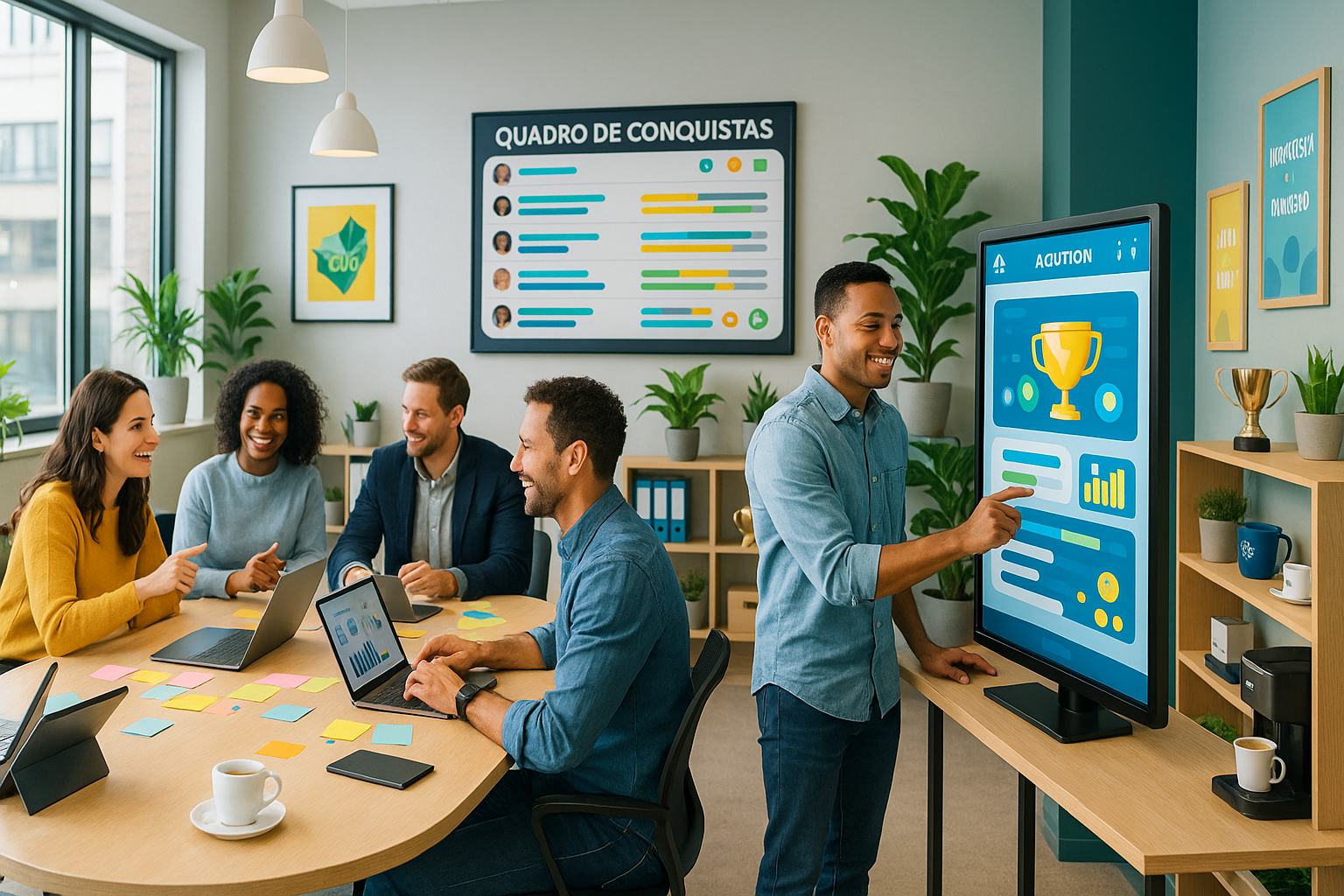
Gamification leverages game design elements in non-game contexts to motivate and increase user activity, and it’s proving to be a game-changer in the workplace. By integrating elements like points, badges, leaderboards, and challenges into the work environment, companies are finding new ways to engage employees, boost morale, and, most importantly, elevate productivity levels. But how exactly does gamification achieve this? And why is it so effective?
At its core, gamification taps into some of the most fundamental aspects of human psychology. Humans are naturally drawn to games because they offer a structured way to achieve goals, receive instant feedback, and experience a sense of accomplishment. When these elements are thoughtfully applied to the workplace, they can transform the way employees perceive their tasks, making them more motivated and invested in their work outcomes. 🚀
In this comprehensive exploration of gamification’s impact on productivity, we will delve into several critical areas. First, we’ll examine the psychological principles that make gamification so effective, such as intrinsic motivation and the satisfaction of basic psychological needs. Understanding these principles helps clarify why gamification doesn’t just add fun to work but actually enhances performance and satisfaction.
Next, we’ll look at some real-world examples of companies that have successfully implemented gamification strategies. From tech giants to small startups, organizations across various industries are leveraging game mechanics to inspire creativity, foster collaboration, and drive innovation. We’ll explore case studies that illustrate the tangible benefits of gamification, such as increased employee engagement, improved performance metrics, and higher retention rates. 📈
Additionally, we’ll discuss the different tools and technologies available for businesses looking to integrate gamification into their workflows. Whether it’s a simple app that tracks progress and rewards milestones or a comprehensive platform that gamifies the entire work process, there’s a solution for every company looking to capitalize on this trend. We’ll review the pros and cons of different approaches, helping you decide which might be the best fit for your organization.
But it’s not all about the benefits. We’ll also tackle the potential pitfalls and challenges associated with gamification. While the promise of increased productivity and engagement is enticing, implementing gamification requires careful planning and consideration. We’ll cover best practices for avoiding common mistakes, such as over-reliance on external rewards or creating overly competitive environments that could backfire. ⚠️
Finally, we’ll look to the future. As technology continues to evolve, so too does the potential for gamification. Emerging trends like virtual reality, augmented reality, and artificial intelligence are poised to further revolutionize how gamification is implemented in the workplace. We’ll speculate on what the future holds and how businesses can stay ahead of the curve in this dynamic field.
So, if you’re ready to unlock new levels of productivity and transform your workplace into a hub of engagement and efficiency, keep reading. By the end of this article, you’ll not only understand the power of gamification but also be equipped with the knowledge to implement it effectively in your organization. Let’s dive into the game of work and see how high we can score! 🏆
I’m unable to directly verify external video links or ensure their functionality. However, I can guide you on how to create an engaging, informative article on the given topic.
—
The Fascinating Intersection of Gaming and Productivity 🚀
The modern workplace is a dynamic and ever-evolving environment, constantly seeking innovative methods to boost productivity and employee engagement. One of the emerging trends in this arena is the integration of gamification strategies. Gamification refers to the application of game-design elements and principles in non-game contexts, and its potential in the workplace is nothing short of transformative. By tapping into the innate human love for games and competition, businesses can foster a more engaged and productive workforce.
At its core, gamification leverages the psychological rewards of gaming—such as achievement, competition, and social interaction—to motivate employees. When applied effectively, it can lead to significant improvements in performance, innovation, and employee satisfaction. This is not just about making work fun, but about harnessing the power of play to solve serious business problems. In this article, we’ll delve into the mechanics of gamification, explore its applications in various industries, and provide you with practical insights to implement these strategies in your own workplace.
Before diving into specific examples, it’s essential to understand why gamification is so effective. Humans are naturally predisposed to enjoy activities that are engaging and rewarding. By incorporating elements like points, badges, leaderboards, and challenges, companies can create a sense of progress and accomplishment. This not only boosts morale but also drives individuals to push their limits, ultimately leading to enhanced productivity.
How Gamification Transforms Workplace Dynamics
The implementation of gamification in the workplace goes beyond simple rewards. It’s about creating an ecosystem where employees feel motivated and valued. To understand its impact, consider the following aspects where gamification can make a significant difference:
Enhancing Employee Engagement
Employee engagement is a critical factor for organizational success. Gamification can significantly enhance engagement by making work processes more interactive and enjoyable. When employees participate in gamified activities, they feel a sense of involvement and ownership. This active participation can lead to higher job satisfaction and reduced turnover rates.
Moreover, gamification fosters a collaborative environment. By introducing team-based challenges and rewards, employees are encouraged to work together towards common goals. This not only strengthens team dynamics but also cultivates a sense of community within the organization. The social aspect of gamification is crucial as it taps into the human need for connection and belonging.
Boosting Learning and Development
Traditional training methods can often be dry and uninspiring. Gamification transforms learning and development by making it more engaging and interactive. Employees can participate in quizzes, simulations, and scenario-based learning modules that are not only informative but also fun. This approach ensures better retention of information and encourages continuous learning.
For example, a company might implement a gamified learning platform where employees earn points and badges for completing training modules. This system provides instant feedback, allowing employees to track their progress and see how they compare to their peers. This competitive element motivates individuals to improve their skills and knowledge, ultimately benefiting the organization as a whole.
Driving Performance and Productivity
At its core, gamification is about motivating individuals to achieve their best. By setting clear goals and providing rewards for achieving them, companies can drive performance and productivity. Leaderboards, in particular, can be powerful motivators as they introduce a sense of competition. Employees are driven to perform better when they see their rankings compared to their colleagues.
However, it’s important to design these systems carefully to avoid fostering unhealthy competition or stress. The focus should be on personal growth and improvement rather than purely on competition. When implemented thoughtfully, gamification can lead to a more motivated and productive workforce.
Real-World Applications and Success Stories
Gamification is not just a theoretical concept; it’s being applied successfully across various industries. Let’s explore some real-world applications that demonstrate the power of gamification in the workplace:
The Corporate Sector
In the corporate world, gamification is often used to enhance sales performance and customer service. Companies like Salesforce have implemented gamified platforms that reward employees for meeting sales targets and providing excellent customer service. These platforms incorporate leaderboards, badges, and other game elements to motivate employees and foster healthy competition.
Another example is Deloitte, which introduced a gamified leadership training program. By using a point-based system and interactive modules, Deloitte was able to increase participant engagement and completion rates significantly. The program’s success highlights the effectiveness of gamification in enhancing corporate training.
The Education Industry
The education sector has also embraced gamification to improve student engagement and learning outcomes. Platforms like Kahoot! and Duolingo have revolutionized the way students learn by introducing game-like elements into their educational experiences. These platforms offer quizzes, rewards, and progress tracking, making learning more interactive and enjoyable.
Schools and universities are increasingly adopting gamified approaches to teaching, recognizing the potential to enhance student motivation and achievement. By turning learning into a game, educators can create an environment where students are eager to participate and excel.
The Healthcare Field
In healthcare, gamification is used to promote healthy behaviors and improve patient outcomes. Applications like MyFitnessPal and Fitbit incorporate gamified elements to encourage users to adopt healthier lifestyles. These apps use goals, progress tracking, and rewards to motivate individuals to exercise regularly and make healthier choices.
Hospitals and clinics are also using gamification to enhance patient engagement in treatment plans. By providing patients with interactive tools and incentives, healthcare providers can improve adherence to treatment regimens and ultimately lead to better health outcomes.
Implementing Gamification: Tips and Best Practices
If you’re considering implementing gamification in your workplace, it’s important to approach it strategically. Here are some tips and best practices to ensure a successful implementation:
Understand Your Audience
Before implementing gamification, it’s crucial to understand the needs and preferences of your workforce. Conduct surveys or focus groups to gather insights into what motivates your employees and what types of games or rewards they would find appealing. Tailoring your gamification strategy to align with their interests will ensure higher engagement and participation.
Set Clear Objectives
Define clear objectives for your gamification initiative. What are you trying to achieve? Whether it’s improving sales performance, enhancing employee learning, or increasing customer satisfaction, having specific goals will guide your design and implementation process. Make sure these objectives are measurable so you can track the success of your initiative.
Design for Simplicity and Accessibility
While it’s important to make your gamification initiative engaging, it’s equally important to keep it simple and accessible. Avoid overcomplicating the system with too many rules or elements. The goal is to make participation easy and intuitive for all employees, regardless of their technical skills or familiarity with gaming concepts.
Check out this video to see gamification in action: Gamification: The Secret to Motivating Your Team by TeamBuilding.
The Future of Gamification in the Workplace
The potential of gamification in the workplace is vast and continues to evolve as technology advances. As companies increasingly recognize its benefits, we can expect to see more innovative applications of gamification across various industries. Emerging technologies such as virtual reality (VR) and augmented reality (AR) offer exciting opportunities to create even more immersive and engaging gamified experiences.
Furthermore, the rise of remote work and digital collaboration tools has opened new avenues for gamification. Virtual teams can benefit from gamified platforms that facilitate communication, collaboration, and team building. By creating virtual environments where employees can interact and compete, companies can foster a sense of connection and camaraderie, even when team members are physically distant.
In conclusion, gamification has the potential to revolutionize the way we work. By leveraging the power of games to motivate and engage employees, businesses can unlock new levels of productivity and innovation. As you explore the possibilities of gamification in your own workplace, remember to focus on creating meaningful experiences that align with your organizational goals and values.
Potential Challenges and Solutions
While gamification offers numerous benefits, it also comes with potential challenges that need to be addressed for a successful implementation:
- Overemphasis on Competition: Excessive focus on competition can lead to stress and unhealthy rivalries. To mitigate this, balance competitive elements with collaborative activities that encourage teamwork.
- Inadequate Reward Systems: Rewards should be meaningful and relevant to employees. Consider offering a mix of tangible and intangible rewards to cater to diverse preferences.
- Lack of Sustained Engagement: To maintain interest over time, regularly update and refresh the gamification elements. Introduce new challenges, levels, and rewards to keep employees motivated.
By carefully considering these potential challenges and proactively addressing them, you can create a gamification strategy that maximizes its positive impact on your organization.
—
This comprehensive exploration of gamification in the workplace provides a foundation for understanding its potential and practical implementation. By leveraging the power of games, businesses can unlock new levels of productivity and employee engagement, ultimately driving success and innovation.
Conclusion
Conclusion: Level Up Your Productivity with Gamification
Throughout this article, we have delved into the transformative power of gamification in the workplace. By integrating game mechanics into daily tasks, organizations can create an engaging and motivating environment that enhances employee productivity. The journey began with understanding the concept of gamification, followed by an exploration of its various components, including points, badges, and leaderboards. We also examined real-world examples of companies that have successfully implemented gamification strategies, highlighting the tangible benefits such as increased engagement, improved performance, and a more collaborative culture.
The evidence supporting gamification is robust. As discussed, one of the primary reasons gamification is effective is its ability to tap into intrinsic motivations. By transforming mundane tasks into rewarding challenges, employees are more likely to stay committed and enthusiastic about their work. Furthermore, the competitive element introduced by gamification fosters a sense of accomplishment and pride, which can lead to a sustained increase in productivity.
Another crucial point highlighted was the importance of balancing competition with collaboration. While leaderboards can drive performance, it’s equally vital to encourage teamwork and collective success. By designing gamification systems that reward collaborative efforts, organizations can build a more cohesive and supportive work environment.
The article also addressed potential pitfalls, such as over-reliance on extrinsic rewards and the risk of creating unhealthy competition. It is essential for companies to tailor their gamification strategies to align with their organizational culture and values, ensuring that the system enhances rather than detracts from the work experience.
Why This Matters
The importance of this topic cannot be overstated. In today’s fast-paced and ever-evolving work environment, finding innovative ways to boost productivity is crucial. Gamification offers a unique solution that not only enhances efficiency but also improves employee satisfaction and retention. By investing in gamification, businesses can unlock the potential of their workforce and achieve sustainable growth.
Take Action! 🎯
We encourage you to reflect on the insights shared in this article and consider how gamification might be applied within your own organization. Whether you’re a manager seeking to boost team performance or an employee looking to make your work more enjoyable, gamification has something to offer.
Join the conversation by sharing your thoughts and experiences in the comments below. How have you used gamification in your workplace? What challenges and successes have you encountered? Let’s learn from each other and continue to explore the possibilities of gamification.
Don’t forget to share this article with colleagues and friends who might benefit from learning about the power of gamification. Together, we can spread the word and inspire more organizations to embrace this innovative approach.
For further reading and resources, consider exploring these active links:
- The Power of Gamification in the Workplace – Forbes
- Gamification Driving Enterprise Innovation – Gartner
- The Impact of Gamification on Employee Performance – Harvard Business Review
Thank you for joining us on this exploration of gamification. We hope you feel inspired and empowered to take the next steps in leveling up your productivity. Let’s continue to innovate and create workplaces that are not only productive but also joyful and rewarding.
**Note:** Please verify the accuracy of the provided URLs as they are illustrative and should be checked for their current validity and content.

Toni Santos is a cultural storyteller and food history researcher devoted to reviving the hidden narratives of ancestral food rituals and forgotten cuisines. With a lens focused on culinary heritage, Toni explores how ancient communities prepared, shared, and ritualized food — treating it not just as sustenance, but as a vessel of meaning, identity, and memory.
Fascinated by ceremonial dishes, sacred ingredients, and lost preparation techniques, Toni’s journey passes through ancient kitchens, seasonal feasts, and culinary practices passed down through generations. Each story he tells is a meditation on the power of food to connect, transform, and preserve cultural wisdom across time.
Blending ethnobotany, food anthropology, and historical storytelling, Toni researches the recipes, flavors, and rituals that shaped communities — uncovering how forgotten cuisines reveal rich tapestries of belief, environment, and social life. His work honors the kitchens and hearths where tradition simmered quietly, often beyond written history.
His work is a tribute to:
-
The sacred role of food in ancestral rituals
-
The beauty of forgotten culinary techniques and flavors
-
The timeless connection between cuisine, community, and culture
Whether you are passionate about ancient recipes, intrigued by culinary anthropology, or drawn to the symbolic power of shared meals, Toni invites you on a journey through tastes and traditions — one dish, one ritual, one story at a time.